بواسطة راؤول | يوليو 22, 2026 | اللغة الإنجليزية للمبتدئين (ما قبل المستوى A1) للأطفال
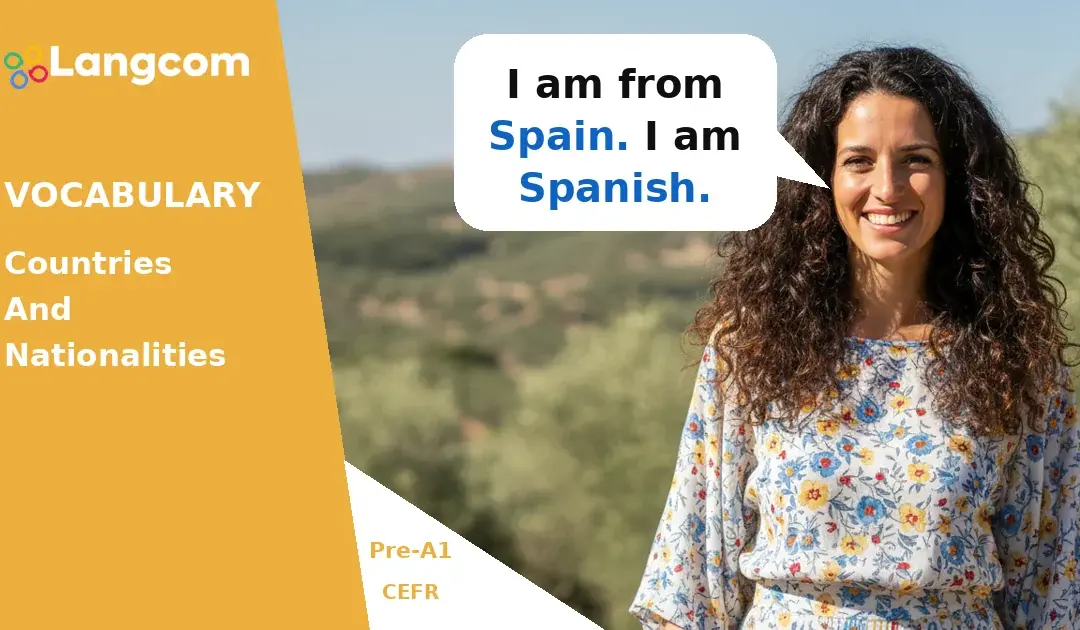
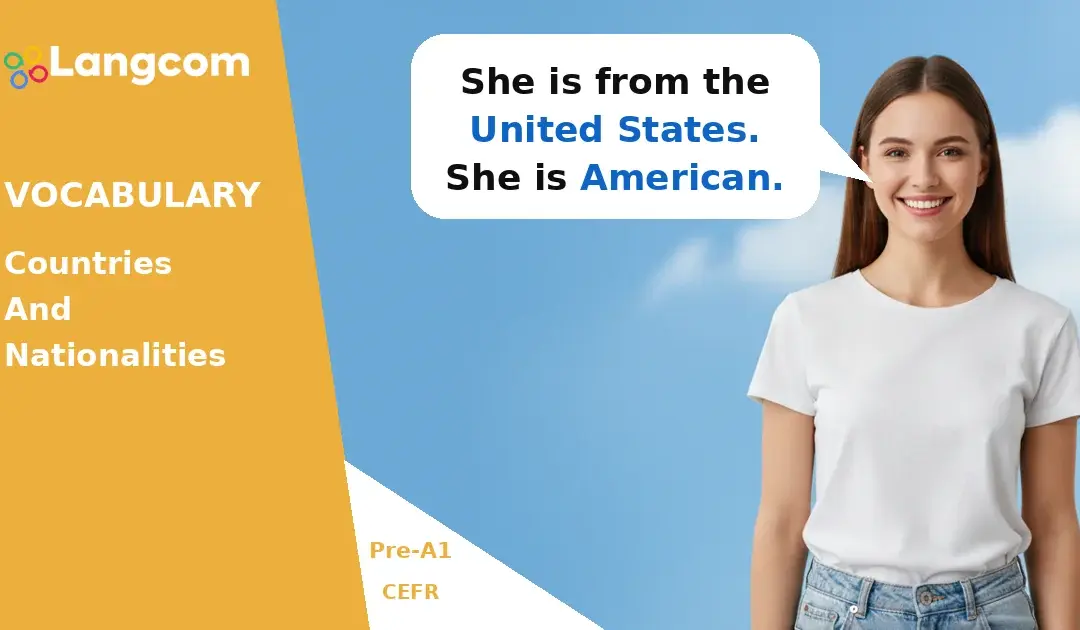
Nationalities are words that describe where a person or thing comes from. They are like adjectives. For example, a person from Spain is Spanish. A car from Japan is a Japanese car. In English, nationalities always start with a capital letter. We use them to say who we...
بواسطة راؤول | يوليو 22, 2026 | اللغة الإنجليزية للمبتدئين (ما قبل المستوى A1) للأطفال
To talk about where people are from, we use country names and nationality words. These words help us say “I am from Spain” and “I am Spanish.” Learning them is important for introducing yourself and understanding others. Countries are places...
بواسطة راؤول | يوليو 22, 2026 | اللغة الإنجليزية للمبتدئين (ما قبل المستوى A1) للأطفال
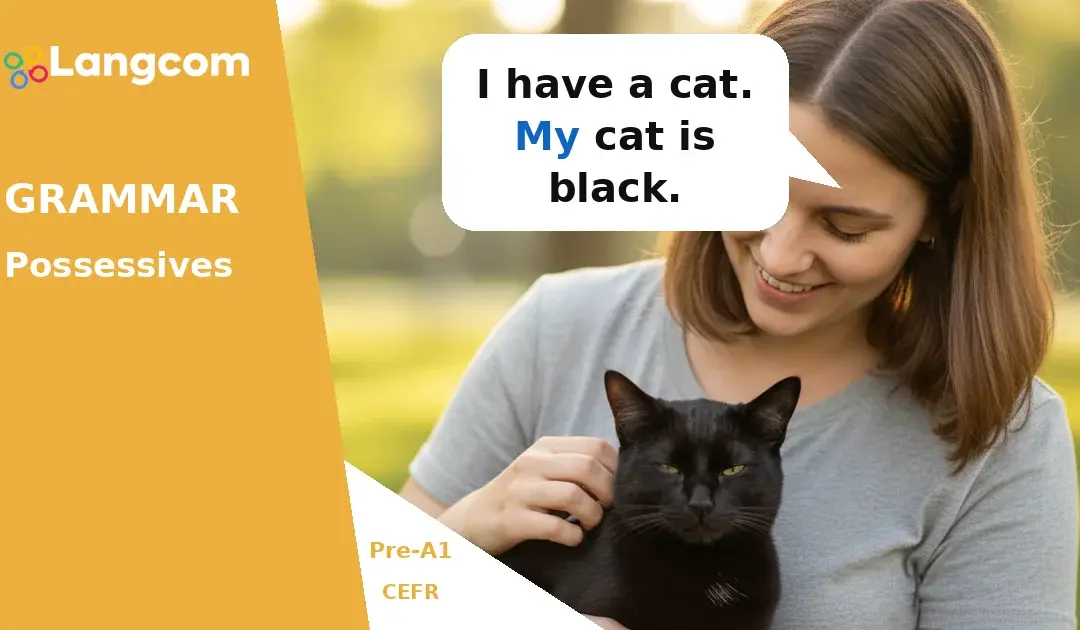
Possessive adjectives tell us who owns something or to whom something belongs. They are words like my, your, his, her, its, our, and their. In English, these words always come before the noun they describe. For example, you say my book, not book my. They help make...
بواسطة راؤول | يوليو 21, 2026 | C1 Advanced إنجليزي
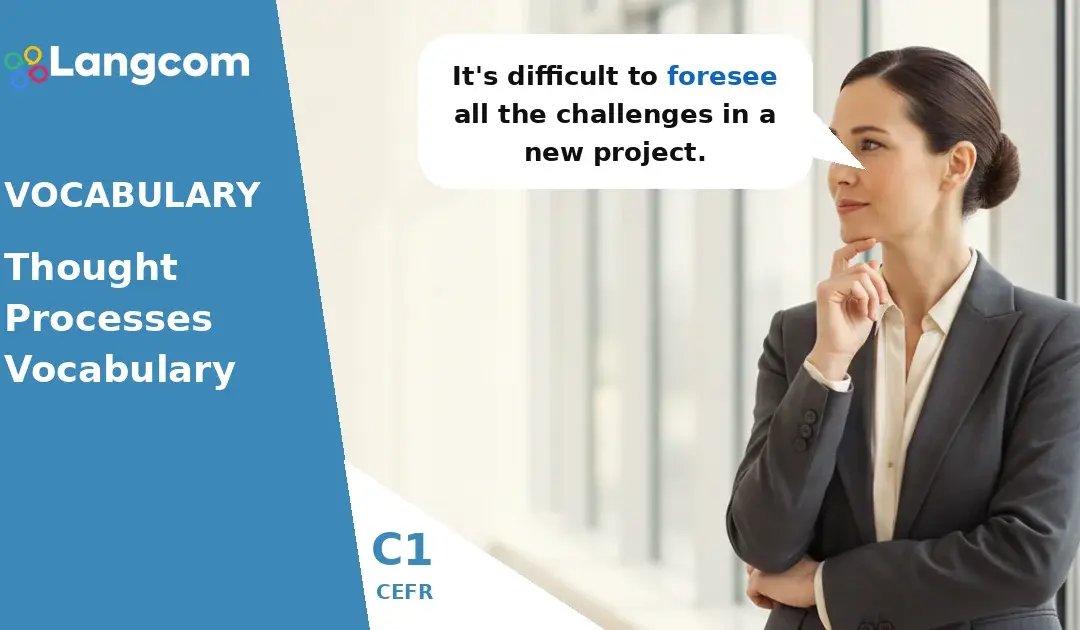
To master C1 English, understanding precise verbs for thought processes is essential for expressing complex ideas and nuanced judgments. These verbs allow you to describe how you predict, evaluate, understand, or reject information with greater accuracy. For instance,...
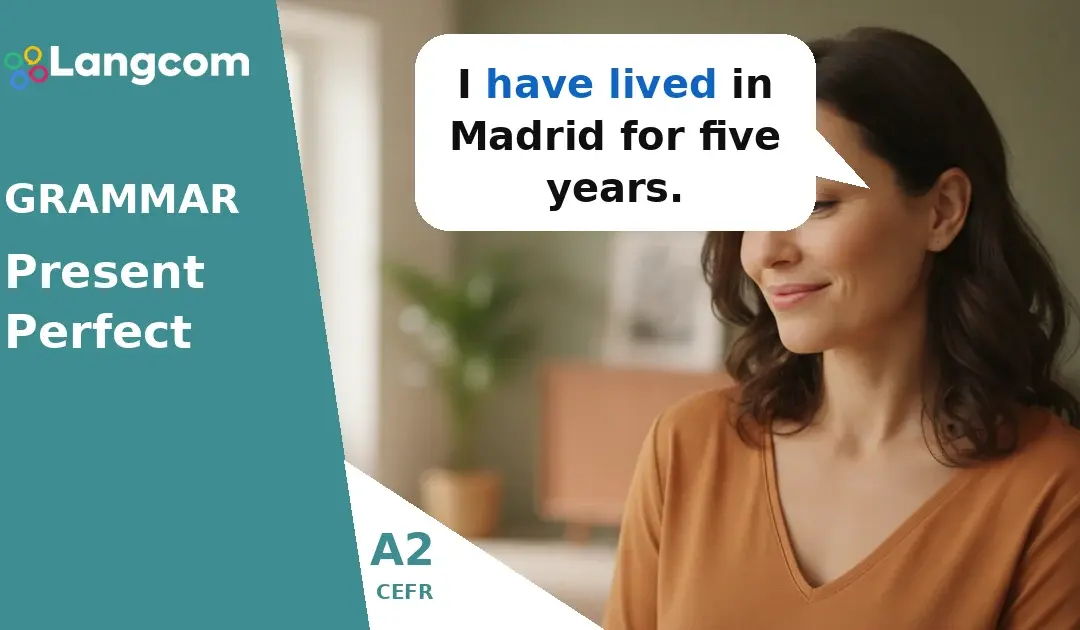
بواسطة راؤول | يوليو 21, 2026 | اللغة الإنجليزية الأساسية A2
The main difference between the Present Perfect and the Past Simple is about time. We use the Past Simple for actions that started and finished in the past at a specific time. The action is completely over. For example, I visited Paris last year. The visit is...
