投稿者 ラウル | 2026年7月19日 | B2 中上級英語
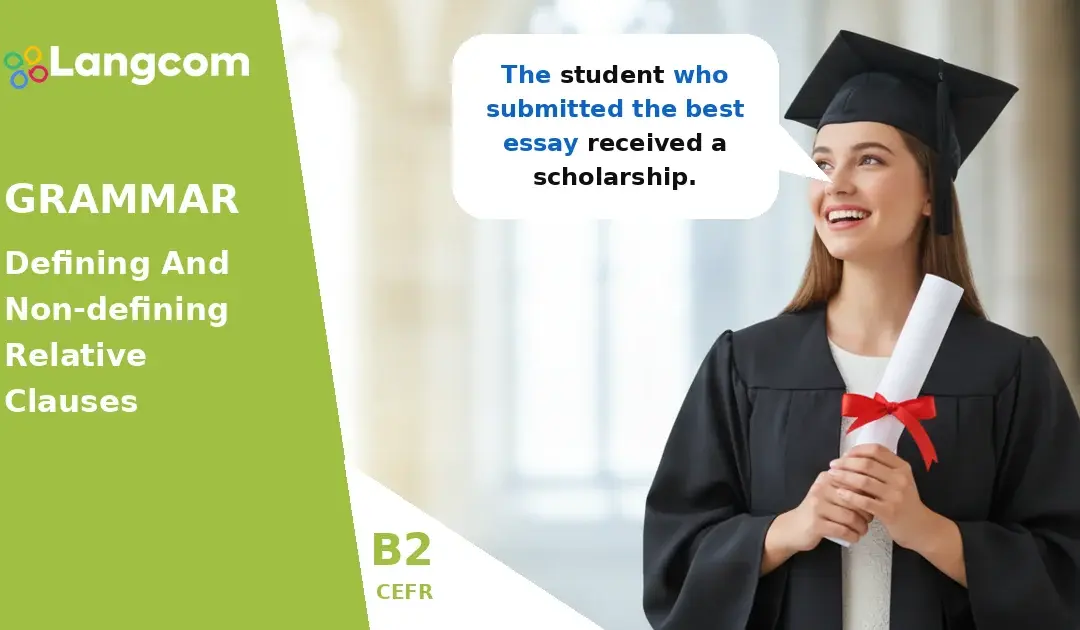
Relative clauses add important details to sentences, helping you describe people, things, places, or times more clearly. They connect two ideas into one smoother sentence. There are two main types: defining and non-defining. Defining relative clauses provide essential...
投稿者 ラウル | 2026年7月19日 | B2 中上級英語
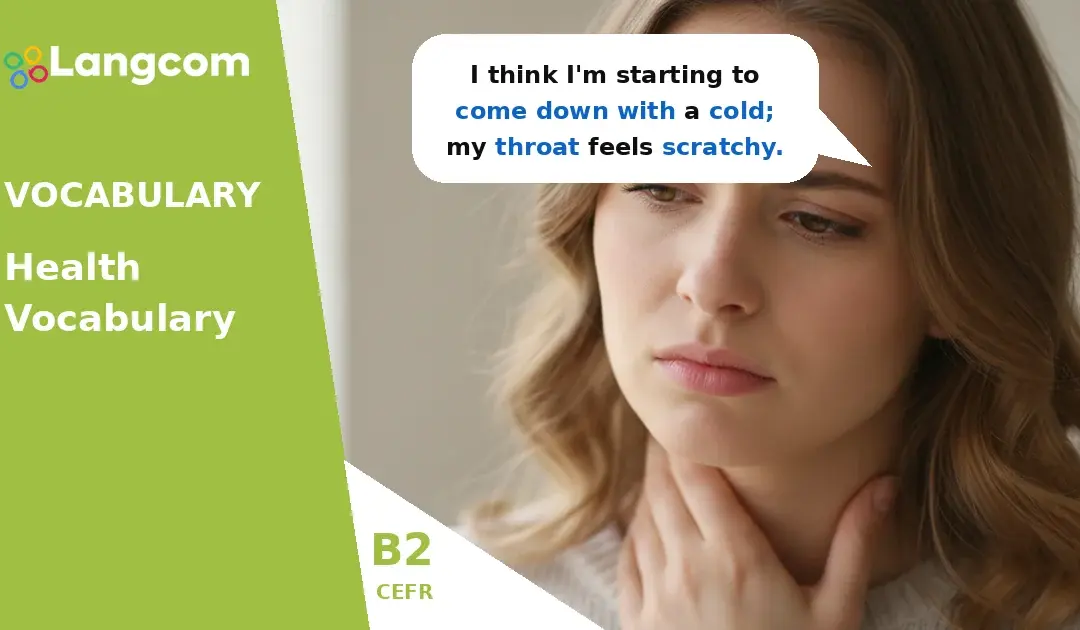
To talk about health in English, you need specific vocabulary for illnesses, injuries, and symptoms. Mastering words like come down with (to get sick), strain (to injure a muscle), faint (to lose consciousness), bruise (a mark on the skin), and dizzy (feeling...

投稿者 ラウル | 2026年7月19日 | A1レベル前の子供向け英語(初心者向け)
Adjectives are special words that describe nouns. They tell us more about people, animals, places, or things. Think of them like descriptive labels! For example, if you see a dog, you can say The dog is big. Here, big is an adjective. It tells us about the dog’s...

投稿者 ラウル | 2026年7月19日 | A1レベル前の子供向け英語(初心者向け)
Adjectives are words that describe nouns (people, places, things, ideas). They tell us more about what something is like, adding important details to your sentences. For example, if you see a beautiful flower, beautiful is the adjective. At the Pre-A1 level, learning...
投稿者 ラウル | 2026年7月19日 | A1レベル前の子供向け英語(初心者向け)
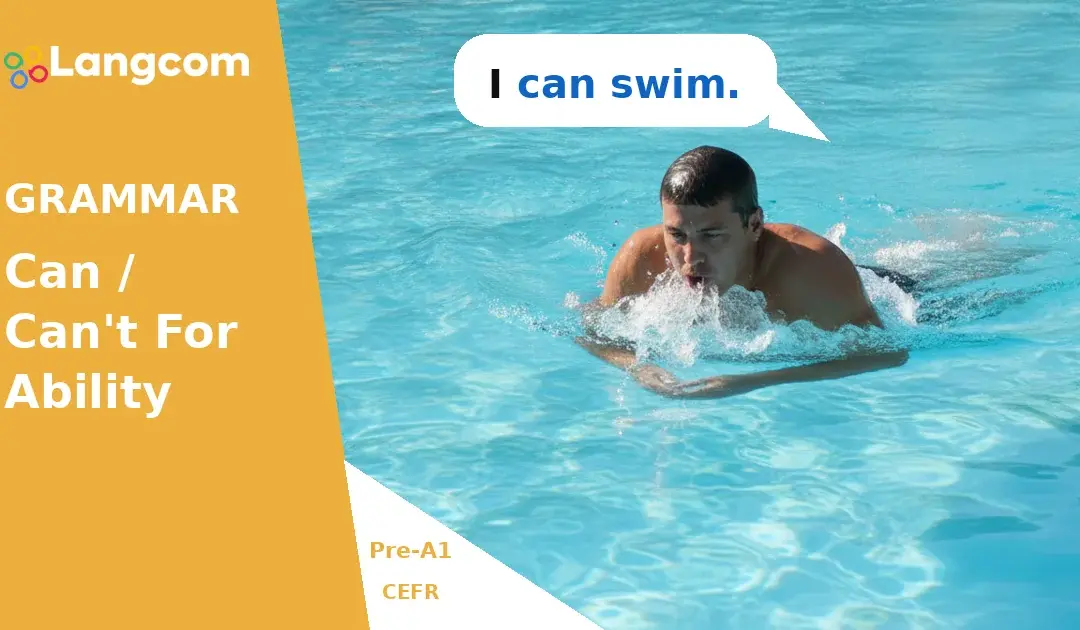
Can and can’t are essential English words to talk about abilities. You use can to say what you are able to do, like I can speak English. It means you have the skill or the possibility to do something. To express what you are not able to do, you use can’t,...
