por Raúl | jul 22, 2026 | Inglês para crianças – Nível Pré-A1 (Iniciante)
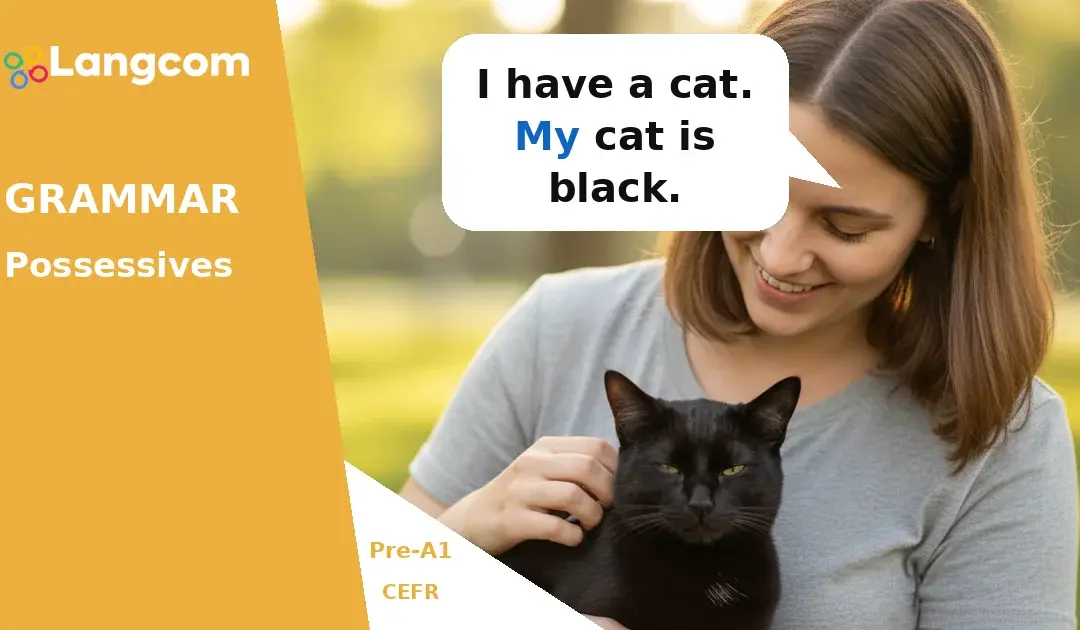
Possessive adjectives tell us who owns something or to whom something belongs. They are words like my, your, his, her, its, our, and their. In English, these words always come before the noun they describe. For example, you say my book, not book my. They help make...
por Raúl | jul 21, 2026 | C1 Advanced Inglês
To master C1 English, understanding precise verbs for thought processes is essential for expressing complex ideas and nuanced judgments. These verbs allow you to describe how you predict, evaluate, understand, or reject information with greater accuracy. For instance,...
por Raúl | jul 21, 2026 | Inglês básico A2
The main difference between the Present Perfect and the Past Simple is about time. We use the Past Simple for actions that started and finished in the past at a specific time. The action is completely over. For example, I visited Paris last year. The visit is...
por Raúl | jul 21, 2026 | Inglês para crianças – Nível Pré-A1 (Iniciante)
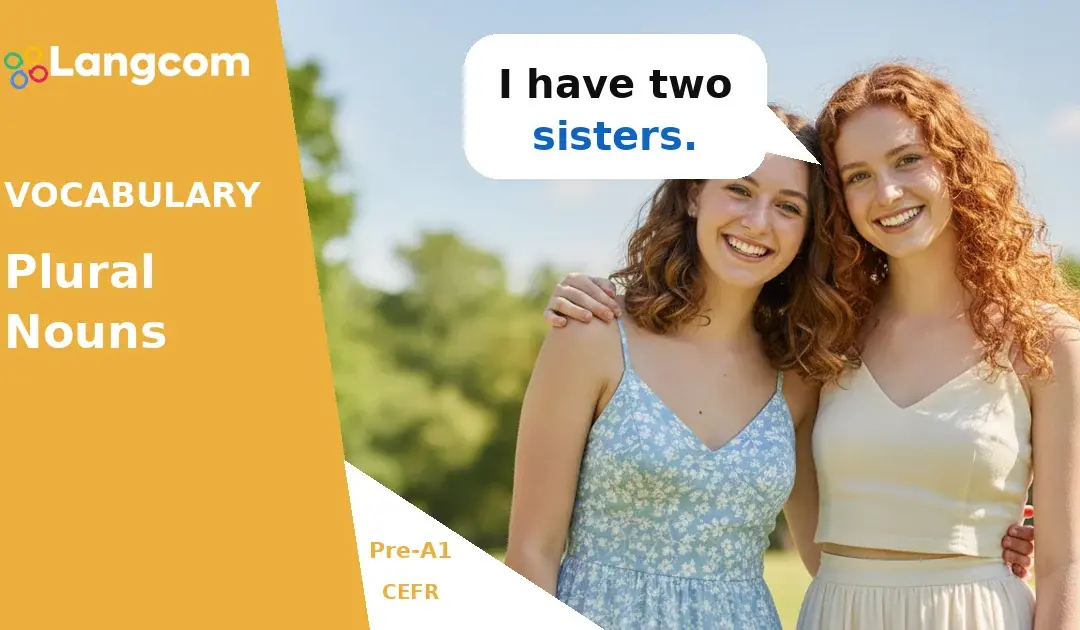
In English, we change singular nouns to plural nouns to talk about more than one thing. Most nouns become plural by simply adding -s at the end. For example, one cat becomes two cats. However, some nouns have special rules. If a noun ends in -s, -ss, -sh, -ch, -x, or...
por Raúl | jul 21, 2026 | Inglês para crianças – Nível Pré-A1 (Iniciante)
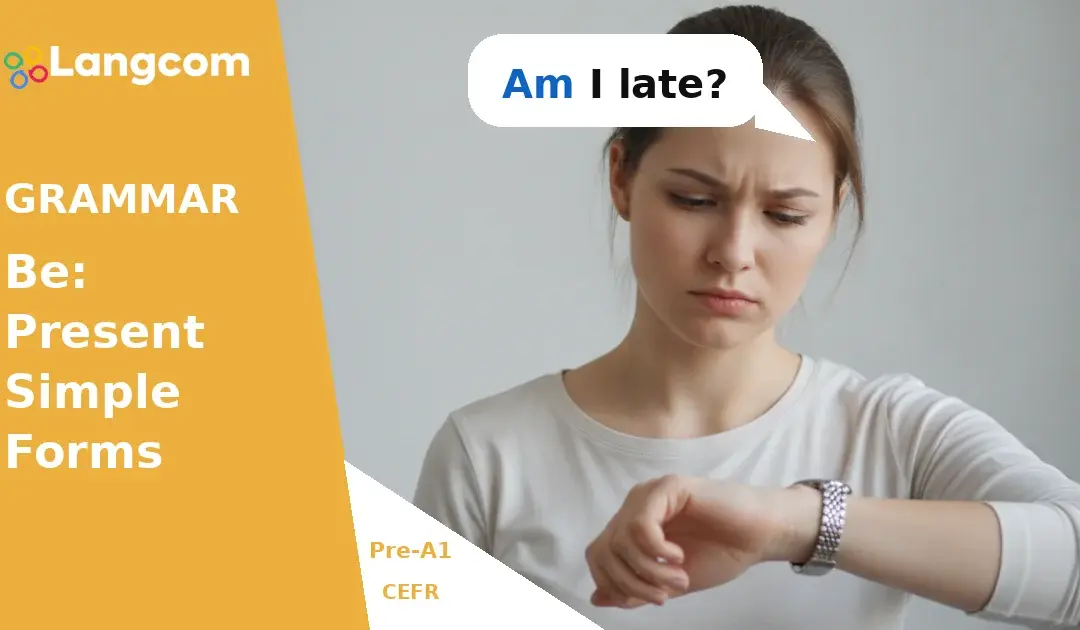
To ask a question with the verb to be in English, you simply change the word order. Instead of the statement order Subject + Be (like You are happy), you put Be + Subject (like Are you happy?). This simple rule works for all forms of to be: am, is, and are. For...
