
par Raúl | Juil 29, 2026 | B2 Intermédiaire supérieur en anglais
To express wishes and regrets in English, we use specific grammar patterns like wish, if only, and should have + past participle. These structures help us talk about situations we want to be different, either in the present, past, or future. We use different verb...
par Raúl Maguiña | Juil 28, 2026 | B1 Anglais intermédiaire
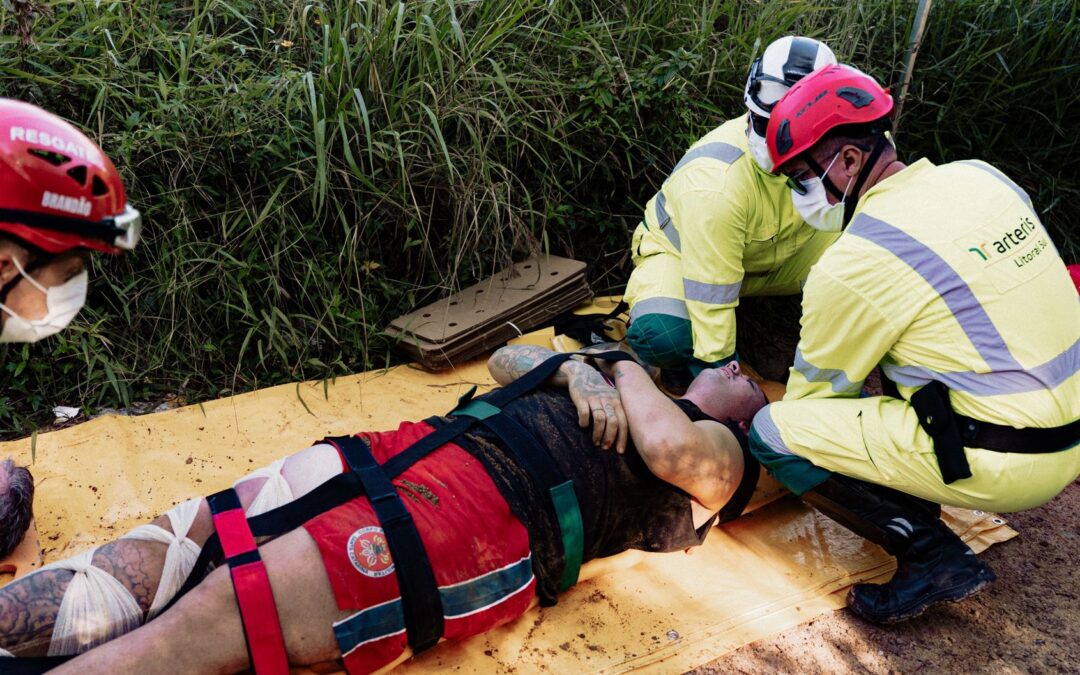
The Peruvian government has officially announced that the Armed Forces will now take a leading role in maintaining internal security during states of emergency.This significant change in policy marks a shift in how authorities manage public order across the country,...

par Raúl Maguiña | Juil 28, 2026 | B1 Anglais intermédiaire
The new Lofts Plaza Yungay project is changing the skyline of our neighboring city and showing how modern design can improve local life. Yungay, a city known for its resilience and beautiful mountain views, is currently home to an exciting architectural development....

par Raúl Maguiña | Juil 28, 2026 | B1 Anglais intermédiaire
The national electoral office has officially selected more than 30,000 citizens across the Ancash region to serve as poll workers for the upcoming 2026 regional and municipal elections. This massive logistical operation is a vital step in ensuring that the democratic...

par Raúl | Juil 28, 2026 | A1 Anglais pour débutants
For ‘he’, ‘she’, and ‘it’ in positive Present Simple sentences, we add -s to the verb. This is a very important rule for talking about daily routines, habits, and facts related to one person or thing. For example, He works in an...

par Raúl | Juil 28, 2026 | A2 Key (KET)
The phrase going to has two common pronunciations in English: the full, clear version and a faster, reduced version that sounds like gonna. Understanding and using both will help you speak more naturally and understand native speakers better. The full pronunciation,...
