von Raúl | Juli 29, 2026 | A2 Key (KET)
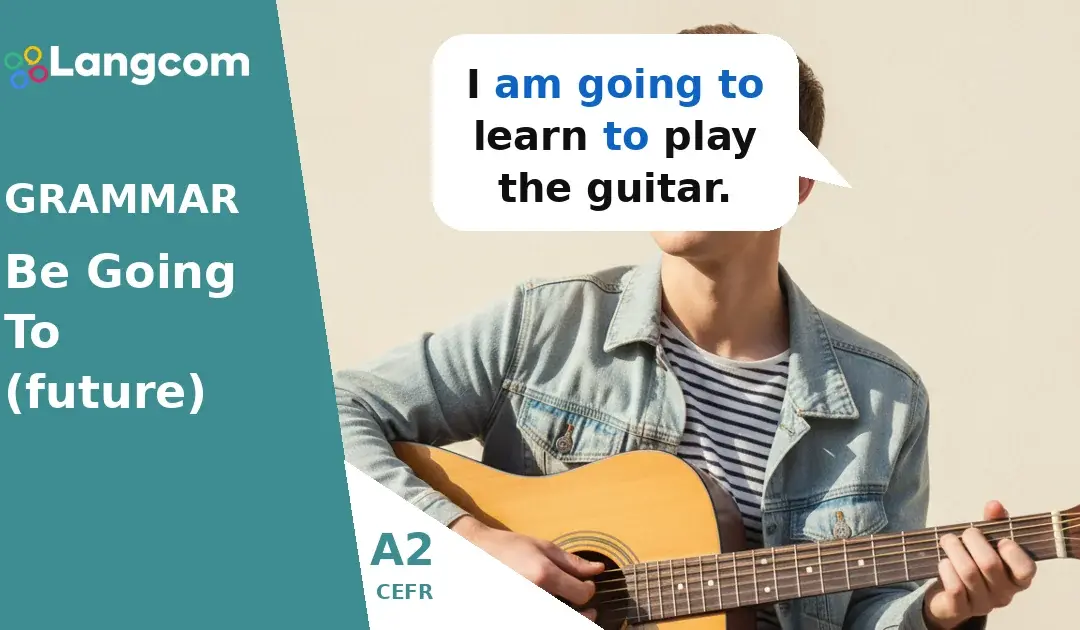
We use be going to to talk about future plans and to make predictions based on what we see now. This structure helps you express what you intend to do or what you think will happen very clearly. For example, if you have decided to study tonight, you can say, I am...
von Raúl | Juli 29, 2026 | A2 Key (KET)
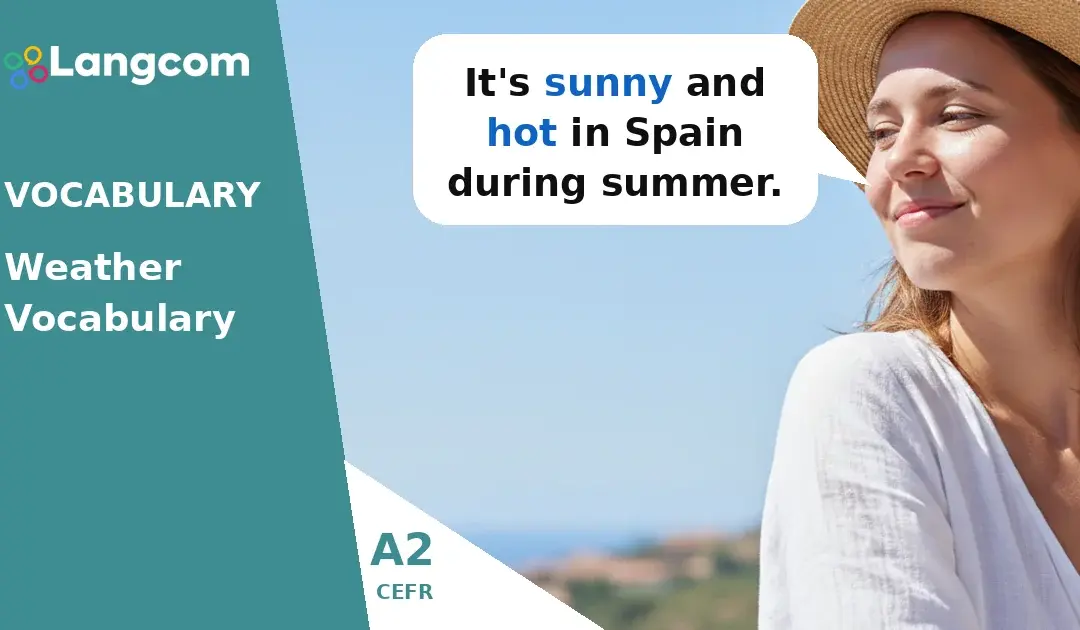
Learning essential English weather vocabulary helps you describe the world around you and prepare for exams like A2 Key. You can easily talk about the sky, temperature, and conditions using simple phrases. For example, to say there is sun, you say It’s sunny. If...
von Raúl | Juli 29, 2026 | A2 Key (KET)
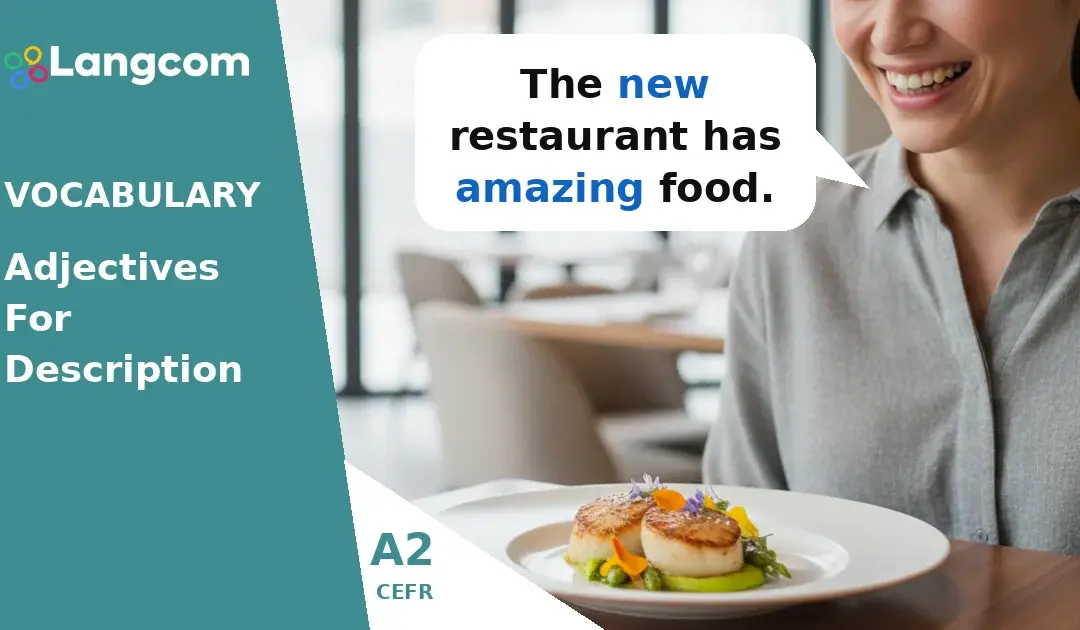
Adjectives are words that describe nouns (people, places, things) or pronouns. They add detail and make your English more interesting. For example, instead of saying The film was good, you can say The film was amazing! or The film was awesome! Adjectives help us...
von Raúl | Juli 28, 2026 | A2 Key (KET)
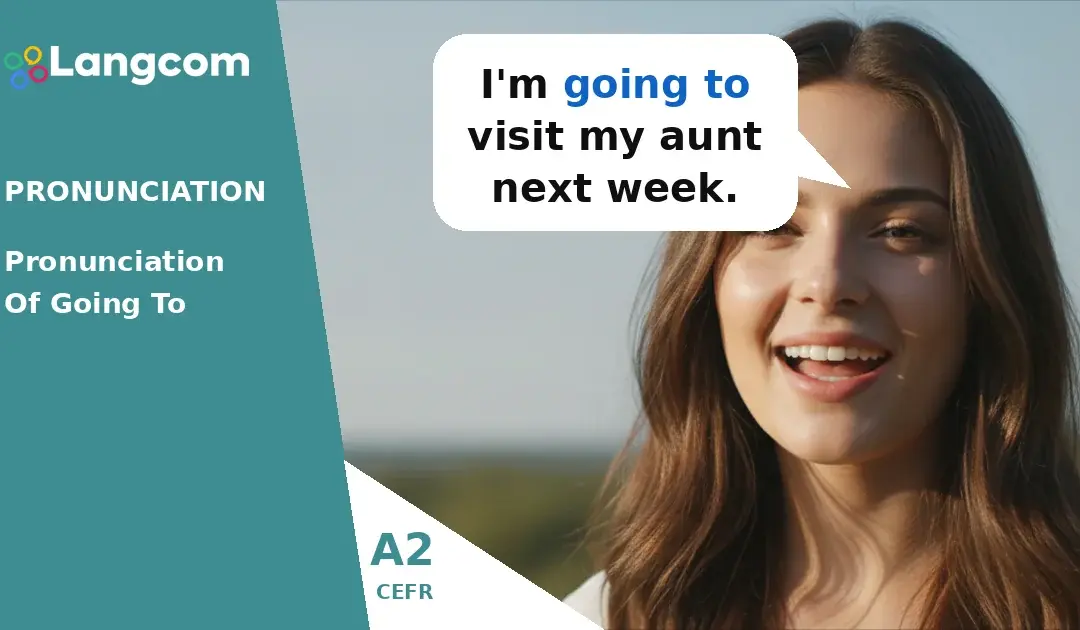
The phrase going to has two common pronunciations in English: the full, clear version and a faster, reduced version that sounds like gonna. Understanding and using both will help you speak more naturally and understand native speakers better. The full pronunciation,...
von Raúl | Juli 26, 2026 | A2 Key (KET)
In English, you can talk about the future using will, the present continuous, or the present simple, but each has a different use. We use will for predictions about the future or for decisions we make right now. For example, I think it will rain tomorrow.We use the...
von Raúl | Juli 26, 2026 | A2 Key (KET)
Learning English words for food and drink is very important for everyday conversations, especially when talking about meals like lunch. A lunch box is a special container used to carry food, often to school or work. Knowing the names of common items you might find...
